
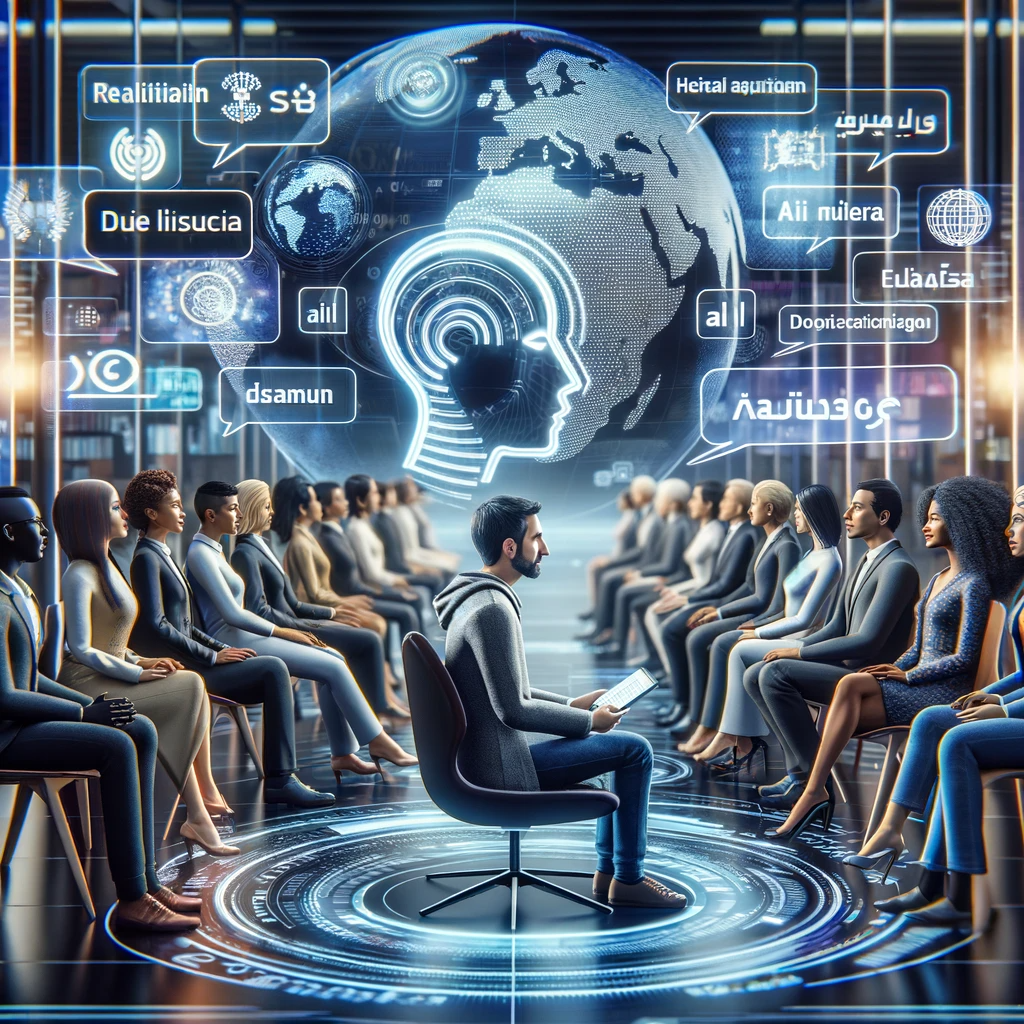
The Dawn of Expressive AI Translation
Meta’s groundbreaking journey in AI translation began in August with the launch of its multimodal AI model, “SeamlessM4T,” supporting nearly 100 languages in text and 36 in speech. The recent evolution to a more advanced architecture, “v2,” has transformed conversational translations, making them more spontaneous and expressive. This enhancement is crucial for authentic cross-language conversations, a domain where robotic translations were once the norm.
Introducing SeamlessExpressive: Emotion in Translation
The first of Meta‘s new features, “SeamlessExpressive,” is set to revolutionize the AI translation field. This feature captures and translates the nuances of human expression – pitch, volume, emotional tone, speech rate, and pauses. The ability to convey emotions like excitement, sadness, or even whispers makes this a potential game-changer in our daily lives and content production. While initially supporting major languages like English, Spanish, German, French, and Chinese, the technology continues to evolve.
SeamlessStreaming: Real-time Translation
“SeamlessStreaming,” the second innovative feature, addresses the need for speed in translation. It begins translating while the speaker is still talking, significantly reducing the wait time for a translated response. Despite a short latency of under two seconds, this feature marks a significant improvement over traditional translation methods. The complexity of different sentence structures across languages posed a unique challenge, met by Meta through specialized algorithms analyzing partial audio input for context.
Beyond Today: The Future of AI Translation
Meta‘s advancements in the “Seamless Communication” suite are a leap forward from existing mobile interpreter tools. While there’s no set date for public availability, the potential integration of these features into future products like smart glasses could redefine practicality in communication technology.
In conclusion, Meta’s latest AI suite, with its focus on seamless and expressive speech translation, marks a significant milestone in breaking down language barriers. The incorporation of human-like expressions and real-time translation capabilities promises a future where language differences cease to be a barrier in global communication.


