
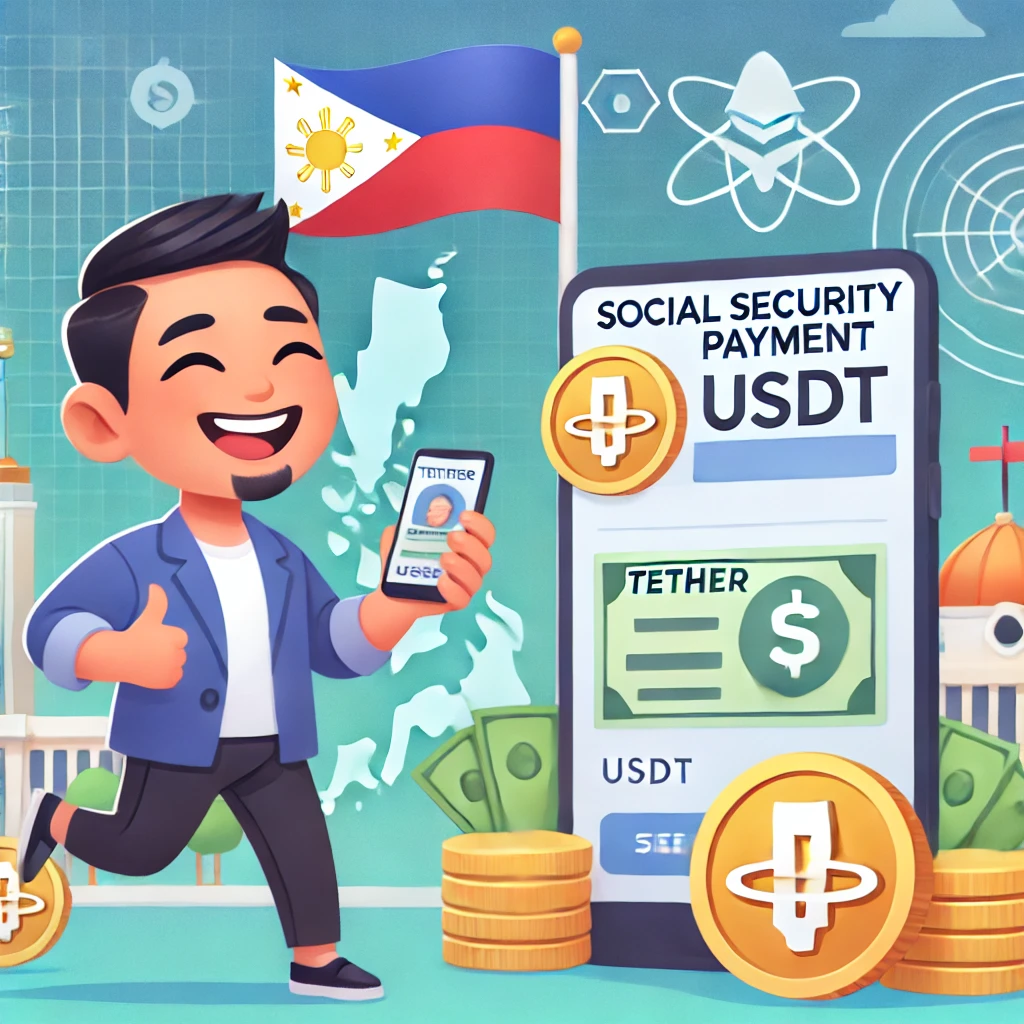
Tether USDT social security payments PhilippinesIntroduction
In a groundbreaking development, Tether, the issuer of the widely used stablecoin USDT, has partnered with UQUID to enable Filipino citizens to pay their social security contributions using USDT. This initiative marks a significant milestone in the adoption of cryptocurrencies for everyday financial transactions, enhancing convenience and financial inclusion for users in the Philippines.
The Partnership
Announced on July 25, 2024, this partnership allows social security payments to be made via the TON blockchain using the UQUID card. UQUID, a Web 3 e-commerce platform, facilitates these payments through a straightforward seven-step process. This development is part of Tether and UQUID’s broader efforts to bring more practical use cases for cryptocurrencies to the masses.
Quotes from the Leaders
Paolo Ardoino, CEO of Tether, expressed excitement about the collaboration, stating, “We are excited to work with UQUID to overhaul the crypto shopping experience. In past years, users could only wish for limitless cross-border payment solutions that are reliable and non-restrictive. We are now in the future where all this is being achieved, and we are proud to be part of the driving force that makes this happen.”
Tran Hung, CEO of UQUID, added, “Launching the 1 USDT Store represents a significant milestone in our journey to bridge the gap between digital currencies and daily transactions, making crypto micropayment applicable.”
Impact on Financial Inclusion
This partnership is set to revolutionize how Filipino citizens interact with social security payments, offering a more efficient and transparent method. By leveraging the security and efficiency of blockchain technology, Tether and UQUID are paving the way for a new era in financial transactions, making it easier for users to manage their social security contributions.
Conclusion
The ability to pay social security contributions with USDT is a significant step forward for cryptocurrency adoption in the Philippines. This development not only simplifies the payment process but also enhances financial inclusion, providing a practical use case for stablecoins in everyday transactions.


